How we can build greater safety after Henry Nowak’s murder
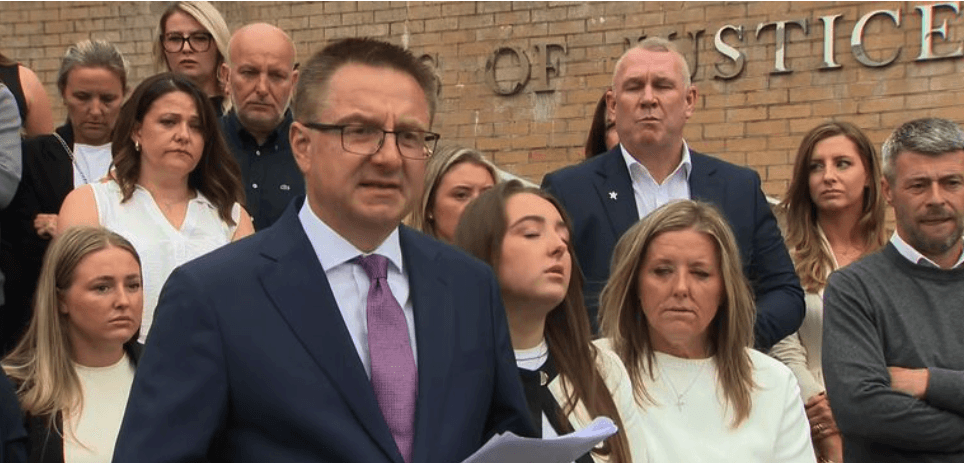
Mark Nowak, the father of Henry Nowak has been clear:
“We do not want his death to be used to further division, hatred or tension. We want his story to help make our streets safer for everyone.”
BLMUK stands with all bereaved families because everyone deserves dignity and care. Many Black families know the particular grief of burying a loved one who has died in police custody. The Nowak family now share that same grief. The neglect that ended Henry’s life is not a one‑off failure, but part of the same pattern of neglect and violence that has taken so many others in police custody. Acknowledging that Black people are more likely to experience police force and fatal restraint does not erase the suffering of white families; it shows how police power harms us in different but interconnected ways.
Henry should be alive today. The violence and neglect he experienced was not an exception but a routine feature of policing. Officers ignored his calls for help. That disregard is a central feature of British policing – those in police “care” often receive very little of it. Attempts to distract from this reality with culture war myths about “anti‑racist training” only obscure the basic question: how do we build real safety for everyone?
First, we must face what happened. Henry, an 18‑year‑old Southampton student, was stabbed in the heart by 23‑year‑old Vickrum Digwa, whose violence and lies played a central role in Henry’s death. Henry later died in police custody after being dragged across the ground and handcuffed. This echoes other cases where people in obvious distress were dismissed, neglected, and left to die. In 2020, 50‑year‑old Tracie Cooper collapsed and died in Hampshire Police custody after officers dismissed her condition as “not particularly convincing”. These are not isolated errors; they are routine, dehumanising practices that cut across race, class and region.
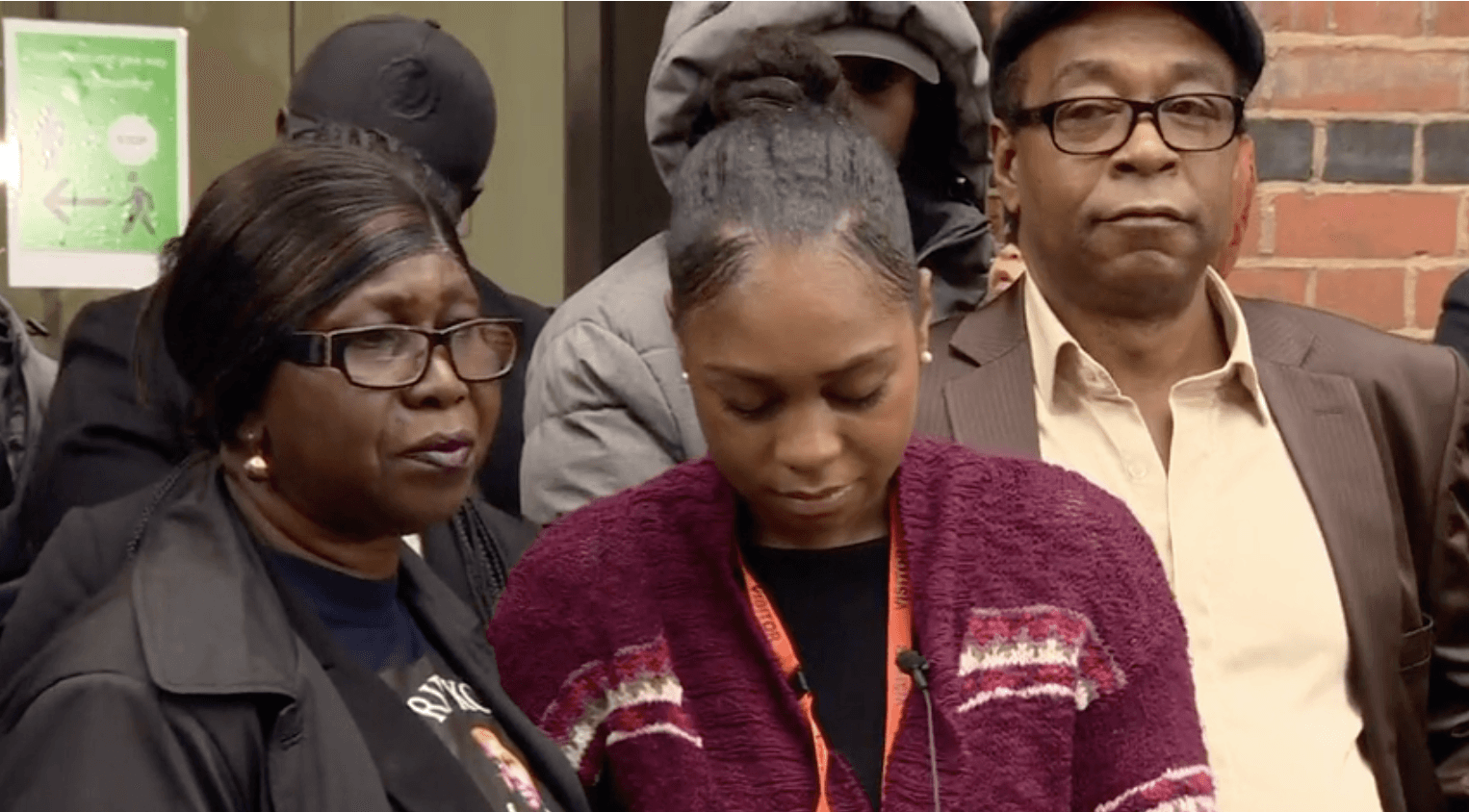
The words “I can’t breathe” have been heard too many times. Henry said them, repeatedly. So did Kevin Clarke, a Black man fatally restrained by Metropolitan Police officers during a mental health crisis in Lewisham in 2018. So did Jimmy Mubenga, who died while being forcibly restrained on a deportation flight in 2010. Each case is shaped by race in specific ways – Black people are disproportionately subjected to force and restraint – but the underlying pattern is the same: when people in police custody say they can’t breathe, they are too often treated as a threat, a liar, or a problem to be controlled, not a person whose life must be protected.
In Britain, Black, Asian and white people have died from police neglect. Naming the racial pattern is not about setting communities against each other; it is about understanding how state violence operates through racism, class, border regimes and ableism, and how those systems then endanger everyone in different ways. The shared experience of violence and neglect at the hands of the police should be a reason to build solidarity, not division.
Crucially, Henry’s death cannot be allowed to fuel fascists and the far right. They are already trying to turn this tragedy into ammunition to pit communities against each other. The UK Sikh Federation has reported a “huge increase” in attacks on Sikh communities. We reject any attempt to blame Sikh communities for this murder and offer our full solidarity. Some politicians propose collective punishment – such as banning ceremonial knives. This would effectively criminalise 430,000 Sikhs in Britain for the act of one man. That’s white supremacist logic at work. It isn’t about public safety, but reinforcing the belief that “white is right”.
This is exactly how far‑right politics works. Figures such as Farage and Tommy Robinson push “pure, cold rage” and fantasies of “two‑tier justice” to incite racist violence in the streets. They want people who experience police neglect – whether Black, white, Sikh, Muslim or otherwise – to see each other as enemies instead of recognising a shared struggle against the institutions that routinely disregard their lives. Their anger is not aimed at the systems that allowed Henry to die, but at the neighbours they want you to fear.
Police leaders, meanwhile, are already signalling that they will use this tragedy to roll back even the limited safeguards that exist. Expect calls to scrap bias training, weaken community scrutiny and reverse the gains of the Macpherson report – all in the name of “common-sense policing”. Diversity initiatives that have never kept people alive will be used as a scapegoat to justify even less accountability. This is the deadly dance between police backlash and far‑right mobilisation: two sides of the same racist coin.
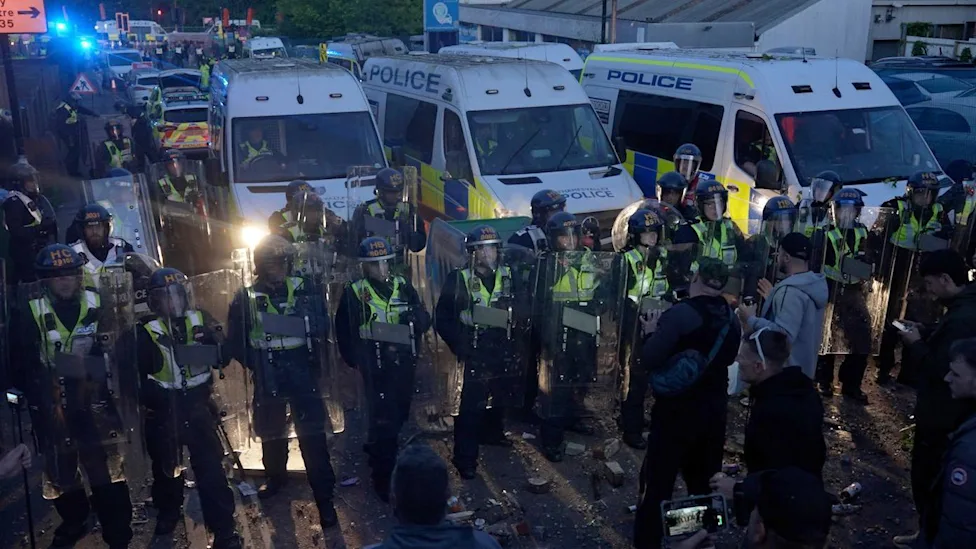
Police officers are violence workers. Their primary role is to protect the property of the rich, not to guarantee our safety. They cannot be “reformed” into something they were never designed to be. But while they still hold life‑and‑death power over our communities, there must be immediate, concrete changes that reduce harm – not as the end goal, but as a stop‑gap while we build real alternatives. Bereaved families and campaigns such as INQUEST and the United Families and Friends Campaign have long challenged us to imagine a different kind of safety.
In that spirit, BLMUK supports demands that can save lives now:
Mandatory medical response to “I can’t breathe”: Any person in police custody or under restraint who says they can’t breathe, or shows signs of respiratory distress, must trigger an immediate ambulance call and the end of any restriction on their breathing. This must be treated as a medical emergency, not misbehaviour which can be dismissed.
Expect and enforce “Zero Disregard” culture: First responders must treat any person in distress as a potential health emergency. A person’s account of their own medical crisis should be the primary guide to the response, overriding prejudgement, stereotypes or accusations.
Community-led oversight: The Home Office collects use‑of‑force data but police forces currently mark their own homework. We want a community-led body independent of the Home Office, to run a publicly accessible, independent use‑of‑force database. This body, backed by legislation, should have powers to audit force submissions, verify missing or inaccurate records, and publish case‑level findings annually. So communities are able to know with confidence the frequency and scale of police violence.
These changes will not be handed down from above. Seni’s Law, which brought greater oversight of force used on mental health patients was only won through years of organising by families and communities. Every safeguard that exists has been fought for; none of it came from police leadership deciding to change.
That is why BLMUK is part of the Anti‑Racist Movement. To build community organising into collective power that can transform society – away from racist harm and division, and towards anti‑racist solidarity and justice.
The neglect that killed Henry Nowak is part of the same system that has taken so many other lives. Black and white, migrant and citizen, people in crisis and people in custody: all are exposed to a policing model that treats them as disposable in different, but linked, ways. The choice is clear. Either this violence is allowed to divide and dehumanise, or it becomes the reason we refuse to be turned against each other.